
Seasonal Affective Disorder impacts people in recovery- Newsletter
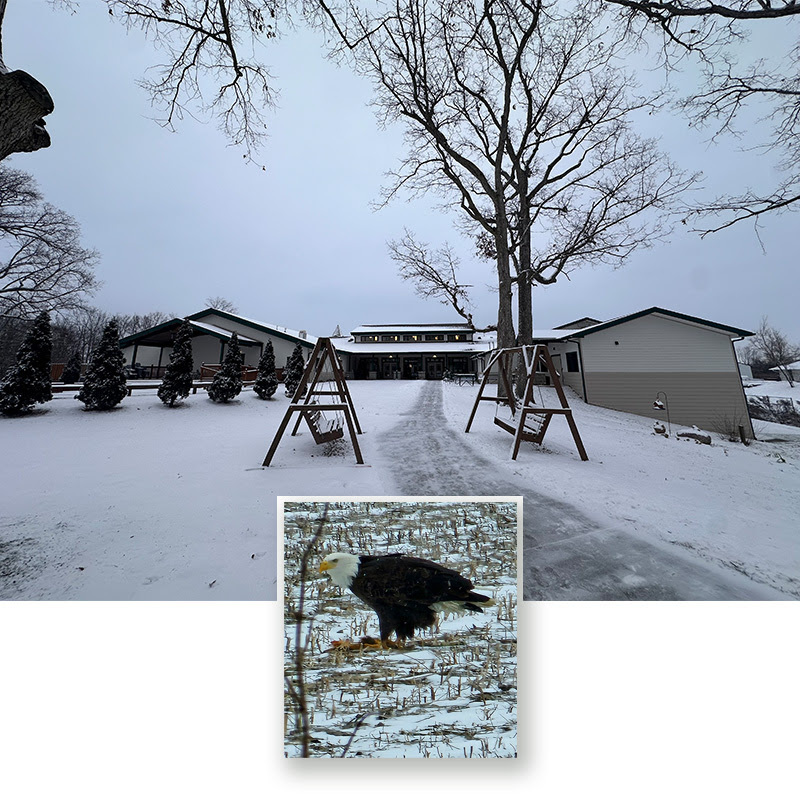
As the weather turns cold again, reminding us that we still lie in winter’s grasp, it’s a reminder this is an especially tough time for those in recovery. Residents of Mockingbird Hill Recovery Center can’t enjoy the full extent of its 15 acres of wooded hills. Having to stay inside can leave them irritable and SAD. Seasonal Affective Disorder (SAD), a form of depression triggered by changes in seasons, can significantly impact individuals in addiction recovery. Understanding the intersection of SAD and addiction recovery is crucial for providing comprehensive support to individuals navigating these co-occurring conditions. Firstly, the onset of SAD symptoms during the fall and winter months can intensify feelings of sadness, hopelessness and fatigue, which are already prevalent in individuals recovering from addiction. The lack of sunlight and shorter days can disrupt circadian rhythms and serotonin levels, further destabilizing mood and energy levels. Moreover, SAD can disrupt established routines and coping mechanisms essential for maintaining sobriety. Individuals in recovery rely on structure and healthy habits to navigate triggers and cravings. Furthermore, the stigma surrounding mental health issues like SAD can act as a barrier to seeking help for individuals in addiction recovery. Fear of judgment or being perceived as weak may prevent them from accessing the support and resources they need to manage both conditions effectively. It's essential for healthcare providers and support networks to create safe and inclusive spaces where individuals feel empowered to address their mental health concerns without fear of stigma or discrimination. The spell of warmer weather Central Indiana recently enjoyed can provide a much-needed break, allowing them more to get outside and enjoy nature. Earlier this month, a bald eagle was even spotted at Mockingbird Hill! Hope is the foundation of recovery. | |||||
Until next time… |
