
Care and Connection in Recovery
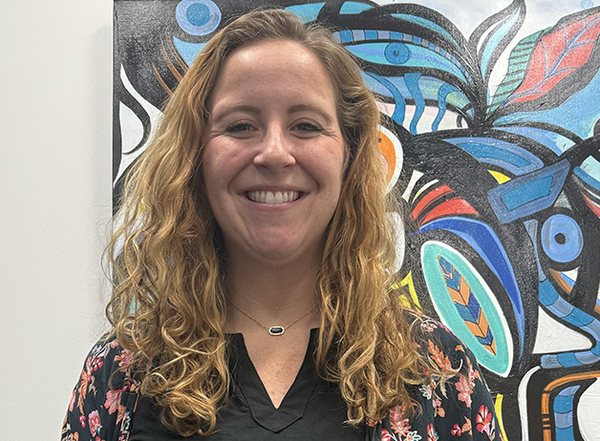
Being a leader, supporter and helper has always come naturally to Macy Kootz, Aspire’s new senior director of addictions services.
“As the oldest daughter, I learned from a young age how to be aware of what was going on around me and problem solve,” Kootz says. “So when I went to school, I got involved in psychology pretty early on and really fell in love with just figuring out the way people think. I knew I wanted to work with people and help them understand themselves better.”
A licensed mental health counselor (LMHC), Kootz received her bachelor's degree in psychology from Morehead State University and her master’s degree in mental health counseling from Boston College. A native of Noblesville, Ind., Macy was excited to learn new ways of thinking during her time on the East Coast.
“Boston College’s program had a focus on social justice, which is something I was really drawn to during my undergraduate work,” she says. “The East Coast is ahead of the curve when it comes to harm reduction, and it was an excellent place to get exposed to different ideas about how to approach the issue of addiction.”
She was also introduced to the idea of a substance use disorder (SUD) continuum and the different levels of care within an integrated setting.
“I saw the role of peers for the first time, which was very impactful for me — and still is,” she says. “I was engulfed in understanding the addiction treatment environment, and I knew this was what I wanted to do.”
Since graduate school, Macy has most recently served as a clinical leader for the SUD residential programs at Centerstone in Columbus, Ind.
“When I saw the continuum Aspire offers and the values it stands for, I felt like I was very aligned with the organization and all it represents,” she says. “Plus, I’m from Noblesville, and I liked the idea of serving in the community I was raised in. I was grateful to have this opportunity for growth.”
In her role at Aspire, Macy provides operational leadership, direction and development of clinical functions, programs and services in the areas of substance use and addictions.
“Addiction impacts every part of someone’s life,” she says. “So having multiple points of access to treatment is incredibly important so you can meet people where they’re at — where their readiness is for change. Then as we get to know them and understand what their needs are, we can help them get to the right spot in the continuum that will help them grow and heal.”
October is National Substance Use Prevention Month, recognizing the importance of substance use prevention in community and individual health. It also serves as a time to remember those who have died from substance use.
“A huge part of preventing continued substance use is creating a better landing space for individuals after treatment than just returning to the environment they were previously in. That is why it’s so important that we are working with them to have a plan and make sure they have the support and resources in place after they leave our facilities.”
“Recovery housing plays a vital role for many who are striving for long-term recovery,” Macy continues. “Progress House is an excellent example of how extended engagement, community building and education can make an incredible impact on preventing a future return to use.”
Her work at Aspire includes visiting Progress House and Mockingbird Hill regularly, being a witness and support to the connections and relationships being made that are essential for our most vulnerable.
“I see so much care at Mockingbird Hill, and that’s just so vital because this is a population that is not always received with care,” Kootz says. “When you step in Mockingbird Hill, you feel welcome and like the people there truly want the best for you. I don’t think I could ask for anything better than that.”
