
Becoming Part of the Solution
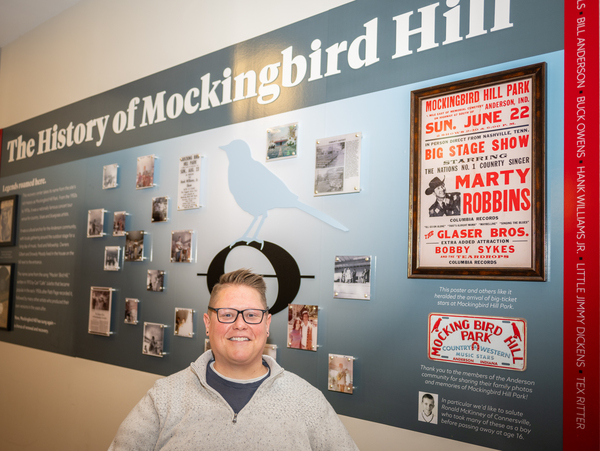
“It wasn’t in my original plan to work in addiction recovery, but I did an internship at Progress House, and that changed everything for me.”
Ashleigh Smith is the clinical manager at Mockingbird Hill, having first started as a therapist when the facility opened in March 2021. Before Aspire, Ashleigh worked in the psychiatric unit of a prison, focusing on individuals with serious mental illness (SMI). But when she was completing her Master of Science in Clinical Mental Health Counseling, it was an internship at Progress House that changed her career path.
“To see the team at Progress House and what they stood for, working together to help others, and to see the impact they were making and the lives they were changing — something just clicked for me,” she said. “I knew I wanted to help people battling substance dependence. There is such a need for it.”
Having been at Mockingbird Hill since its inception and now in the role of clinical manager, Ashleigh has seen many changes over the last three years.
“I applied for the clinical manager position because I wanted to be part of the solution in figuring out how we could help Mockingbird Hill become the best facility it can be,” she said. “Working with my manager, Katie Dalton, and Operations Manager Drew Hendricks, we have really come together to figure out the needs of the residents, helping offer them the highest-quality treatment and getting them the help they deserve.”
In the typical 28-day program for residents, Smith said she sees a wide range of people at different stages of treatment and recovery. Mockingbird Hill implements a clinical approach to treating addiction along with co-occurring disorders like depression and post-traumatic stress disorder (PTSD).
“Our goal is to meet our residents where they’re at — to make them feel heard and related to,” Ashleigh said. “Everyone in this building has an intense passion for helping people change their lives and giving them a second chance. Our sweet spot is focused on showing empathy and compassion while holding the men accountable for their actions and behavior at the same time.”
Smith wants to continue to get the word out about Mockingbird Hill and drive awareness for its recovery program.
“In this area, we are unique in that we do a lot of integrated care,” she said. “We work very closely with our medical staff and make sure we are treating the whole person through both mental and physical care. As soon as someone walks in the door, we wrap that person in services — bringing everything needed for long-term recovery while giving them a safe, stable place to live.”
Thinking back on three years ago when she wasn’t even sure she wanted to be doing work in addiction treatment and recovery, now Ashleigh can’t imagine doing anything else.
“My time at Mockingbird Hill has been a lot of things — rewarding, challenging and a growing experience for me both professionally and personally,” she said. “It’s humbling to have the opportunity to treat people in this community and throughout the state when there is such a need for this type of service. I’m so grateful for our team at Mockingbird Hill that comes together to do this work every day. We all have a passion to help these men, and I’m very lucky to be part of that. This is where I’m supposed to be.”
